
 Share
Share
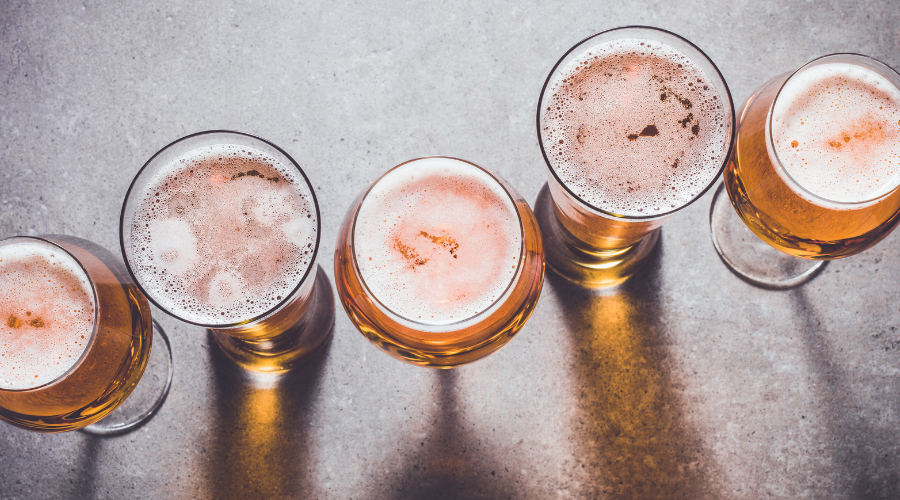
What patients drink after a surgical procedure makes a big difference in their eventual results and how they feel. Of course, bariatric programs advocate for all patients to drink plenty of water and indulge occasionally in drinks that are low in calories and sugar (and complement the post-op diet nicely). However, the question of beer does sometimes pop up, mainly because many patients are used to enjoying a beer during a football game or at dinner, and it may be their preferred alcoholic beverage. With that said, while moderation is key, and most bariatric programs don’t want to limit patient enjoyment too much, the simple fact is that beer is one of the more problematic beverages after surgery. Let’s look into why:
The Bubbles
No matter the procedure, the stomach is significantly smaller than before surgery. As a result, patients must be prudent with what they fill it with. The bubbles from beer, cider, or other carbonated alcoholic drinks can take up valuable real estate in the stomach and reduce the likelihood of getting the protein, leafy green veggies, and whole fruits patients should enjoy after surgery. The bubbles can also stretch the pouch, especially with gastric sleeves that create a high-pressure tube after surgery.
The Alcohol
Alcohol is strictly discouraged in the first six months after a procedure and should be consumed in moderation after that. Patients must be cautious about alcohol consumption as it is an irritant and can disrupt the G.I. system, especially after surgery. Alcohol also introduces high amounts of empty calories, depending on the beer consumed, which forces the body to work that much harder to maintain weight loss goals. Lastly, alcohol will impair a patient sooner after bariatric surgery, especially gastric bypass, as it passes to the small intestine more quickly and can induce intoxication with far less volume.
The Gluten
With few exceptions, beer contains gluten from wheat, rye, or barley. If an individual is one of the 6% of Americans who suffer from gluten intolerance, this may cause problems in the GI tract.
A quick note on the diuretic effects of alcohol: While it is well known that alcohol is a diuretic, and this is true, typically its diuretic effects are not significant enough to cause a major hydration problem. However, it is suggested that patients drink a little bit of extra water whenever consuming alcohol.
Ultimately, beer and other carbonated, alcoholic beverages can be problematic after bariatric surgery, and limiting their consumption is highly recommended. As patients get further out from surgery, they may be able to enjoy a small amount of beer at a time without impacting the pouch or feeling uncomfortable.
One of the keys to success in bariatric surgery is understanding that small things can make a big difference, and the same is true for food and drinks. It is not always necessary to eliminate everything a person enjoys from the diet, but it is also not necessary to drink or eat everything that is put in front of them. Identifying what is genuinely desired and consuming just enough to satisfy that craving can help avoid overfilling and adding unnecessary calories. Patients are also encouraged to speak to a bariatric surgeon about any challenges they may experience with alcohol of any kind, including beer or other carbonated beverages.
Last Updated: July 15, 2026
Reviewed by